The Sixth Floor Museum at Dealey Plaza: A Quest Through Historical Moments
The Sixth Floor Museum at Dealey Plaza serves as a significant site for comprehending the killing of President John F. Kennedy. Situated in the former Texas School Book Depository, it holds crucial exhibits that offer context to that devastating day. Visitors experience a mixture of historical artifacts and interactive presentations. As they investigate the museum, questions about JFK's persistent legacy and his effect on American society spontaneously arise. What revelations might they bring to light?
Dealey Plaza's Historical Meaning
Although regularly recognized for its tragic association with the slaying of President John F. Kennedy, Dealey Plaza retains a vibrant historical significance that goes well beyond this significant moment. Located in Dallas, Texas, the plaza was fashioned in the early 20th century and conveys the architectural visions of the time. It operated as a central hub for civic life, presenting assorted public events and gatherings, rendering it as a focal point in the city's development.
The contrast of modernity and the past is apparent in the nearby buildings, which contain the previous Texas School Book Depository. This structure, now the Sixth Floor Museum, offers insights into the events of November 22, 1963. Dealey Plaza is not just a site of mourning; it has transformed into a representation of transformation, reflecting the societal and governmental turbulence of the era. Its significance as a public space keeps drawing guests looking to comprehend its complex legacy.
Traveler Information: Hours, Tickets, and Accessibility
The Sixth Floor Museum at Dealey Plaza receives visitors year-round, offering a range of hours to accommodate different schedules. Typically, the museum functions from 10 AM to 5 PM, with extended hours during peak seasons. Tickets can be purchased online or at the museum entrance, with reductions available for students, seniors, and groups. It is recommended to buy tickets in advance, especially during busy periods.
Accessibility is a priority at the museum. The facility is outfitted with ramps and elevators, ensuring that all visitors, including those with mobility challenges, can explore the exhibits comfortably. Additionally, the museum provides assistive listening devices and materials in large print for those who require them. With its dedication to inclusivity, the Sixth Floor Museum endeavors to make the experience enriching for everyone, allowing all visitors to engage with the historical significance of the site.
Why Does This Place Count for JFK's Story?
A crucial part of John F. Kennedy's narrative, the Sixth Floor Museum at Dealey Plaza functions as a poignant testament of the turbulent events surrounding his assassination on November 22, 1963. This location is where Lee Harvey Oswald fired the fatal shots that altered the course of American history. Situated in the Texas School Book Depository, the museum not only commemorates JFK's legacy but also examines the broader implications of his presidency and the era's political landscape. The plaza has transformed into a symbol of both tragedy and transformation, reflecting the nation's collective grief and the questions that lingered in the aftermath. By preserving artifacts and narratives from that fateful day, the museum fosters reflection on the impact of Kennedy's leadership and the profound loss felt across the United States. Consequently, Dealey Plaza stands as an vital site for understanding the complexities of JFK's life and legacy.
Key Attractions: What to Discover at The Sixth Floor Museum
At the Sixth The Sixth Floor Museum at Dealey Plaza TX Floor Museum, visitors can explore a variety of displays that clearly depict the circumstances related to JFK's assassination and his enduring legacy. Among the important displays is the famous sniper's perch, which provides insight into the viewing location from which Lee Harvey Oswald fired. Archival photos and records chronicle the day of the assassination, allowing guests to experience the moment as it unfolded. Additionally, the museum presents personal artifacts belonging to Kennedy, emphasizing his presidency and life. Visitors can interact with displays that examine the impact of his assassination on the nation and the world, emphasizing themes of hope and change. Each exhibit helps strengthen the understanding of JFK's influence and the deep national mourning following his death, making the museum a poignant memorial to a pivotal moment in American history.
Multimedia Displays and Works to Browse
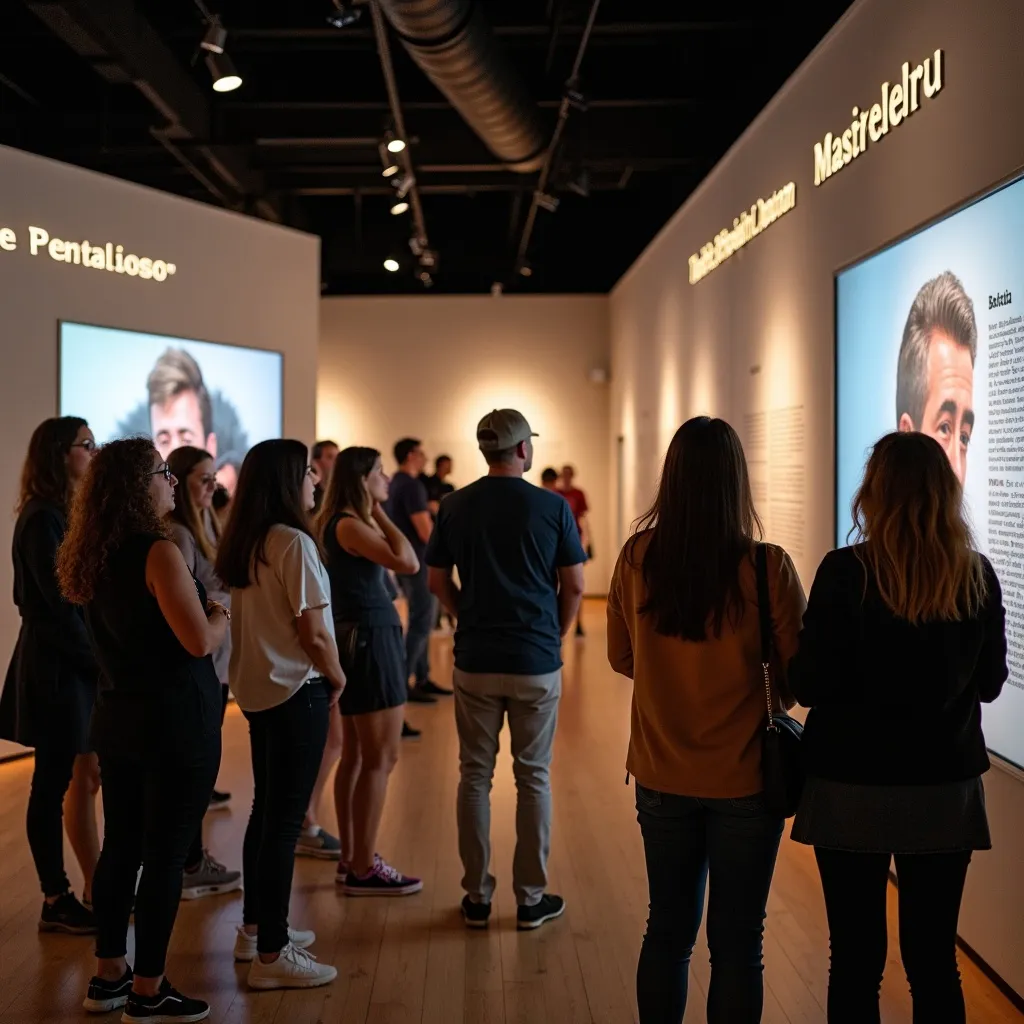
While touring the Sixth Floor Museum, visitors encounter a extensive range of interactive media that enrich the account of JFK's life and assassination. These engaging displays present recorded videos, sound recordings, and hands-on exhibits that bring guests to significant turning points in history. Importantly, a historical timeline connected to the assassination facilitates a more complete knowledge of the circumstances and consequences of that pivotal occasion in 1963.
Objects such as original newspaper headlines, personal letters, and photographs more deeply involve visitors, offering concrete links to the past. The museum's dedication to showcasing varied viewpoints is evident in its carefully curated content, which includes first-hand accounts and scholarly analyses. In union, these visual and audio components alongside historical objects produce an engaging environment, prompting guests to consider not only JFK's legacy but also the greater effect of his presidency on American history. This careful blending of technology and historical materials cultivates a greater understanding for the complexities of the era.
Knowledge Gathered from Guided Tours and Educational Programs
In what manners do guided tours and educational offerings strengthen the visitor experience at the Sixth Floor Museum? These initiatives provide detailed, revealing explorations of the museum's profound historical framework. Informed guides shepherd visitors through significant moments in American history, building narratives that connect artifacts with their broader significance. This storytelling approach develops a deeper emotional engagement, as participants gain perspectives that stimulate critical thinking.
Educational initiatives including lectures and workshops enhance the experience by offering expert insights into specific themes such as the impact of media on public perception during the 1960s. By promoting dialogue and encouraging questions these programs create an engaging educational environment.
Examination of JFK's Contribution and Bearing on America
The enduring influence of John F. Kennedy shapes American cultural and political landscape, reflecting his vision for a more inclusive society. His term in office initiated profound changes, influencing both legislative decisions and cultural perspectives. As the nation addresses ongoing change, JFK's footprint persists as a centerpiece for discussion and analysis.
Prolonged Significance in Politics
Although John F. Kennedy's executive tenure was curtailed, his bearing on American politics persists as profound. His conception of a "New Frontier" energized a generation to participate in public service and seek sweeping reforms. Kennedy's advocacy of civil rights, notwithstanding initial hesitations, signaled a watershed moment in national conversation, laying groundwork for future legislative action. His commitment to confronting global issues, exemplified via the Peace Corps, emphasized a duty toward international partnership. The convictions he advanced, including social justice and economic equality, continue to resonate in contemporary political discourse. Additionally, the calamity of his assassination energized public sentiment, recasting the political landscape and prompting thoughtful reflection on leadership and governance in America. JFK's legacy survives, shaping political aspirations to this day.
Cultural Transitions and Transformation
Kennedy's tenure not only molded political aims but also triggered notable cultural shifts across America. His perspective of a "New Frontier" energized a demographic, stressing civil rights, space exploration, and social improvement. The optimism of the early 1960s fostered a sense of unified identity, urging young Americans to engage with concerns such as equality and civic responsibility. Additionally, Kennedy's charisma and eloquent speeches had impact, shaping popular culture and media portrayals of leadership. The tragic assassination in 1963 amplified this cultural effect, solidifying his status as a representation of hope and change. As a result, Kennedy's legacy continues to evoking reflection on American values and aspirations, initiating ongoing discussions about the nation's path and the relevance of civic engagement.
Frequently Posed Questions
May I photograph photos Inside the Sixth Floor Museum?
Picture-taking inside the museum is generally restricted to maintain the exhibits and copyright the memorial ambiance. Visitors should consult particular requirements upon arrival, as procedures may shift for special events or exhibitions.
Are there any age limitations for guests?
There are no defined age restrictions for attendees. The museum invites guests of any age, inspiring families with children to explore its exhibits and gain knowledge of the historical significance of the site.
Are Eating and drinking Permitted in the Museum?
Food and beverages cannot be consumed inside the museum to copyright the integrity of the exhibits and assure a respectful space for all visitors. Guests are recommended to indulge in refreshments in specified zones exterior.
What amount of Duration Should You Anticipate for a Routine Visit?
A standard excursion to the museum lasts nearly one to two hours. Visitors often browse exhibits, interact with multimedia displays, and comprehend historical context, offering the experience both educational and reflective for each individual.
Are there special events or offerings that occur throughout the year?
The museum coordinates different special events and programs all year long, including lectures, exhibitions, and commemorative activities, created to fascinate visitors and enhance their comprehension of history and its significance to the Dallas community.